Services
Our (BROK-)certified researchers and physicians have the expertise to facilitate all aspects of your microbiome research:
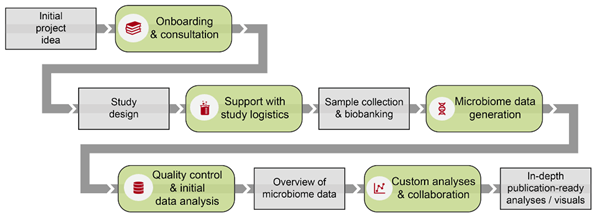
Onboarding & Consultation
We offer scientific consultation for study planning, on novelty and feasibility aspects, as well as study design (scientific, practical, epidemiological and statistical aspects). Other areas of support include advice on sample types and methods, approaches for data generation (diverse omics techniques to characterize aspects of microbial communities and their interaction with the host), and data analysis methodology and workflows.
If you are interested in including microbiome analyses in your grant application, we encourage you to reach out to CMAT early in the process to make sure that the design and budget of your study is suited to answer your questions. We provide initial cost estimations to support budget planning.
Support with study logistics & biobanking
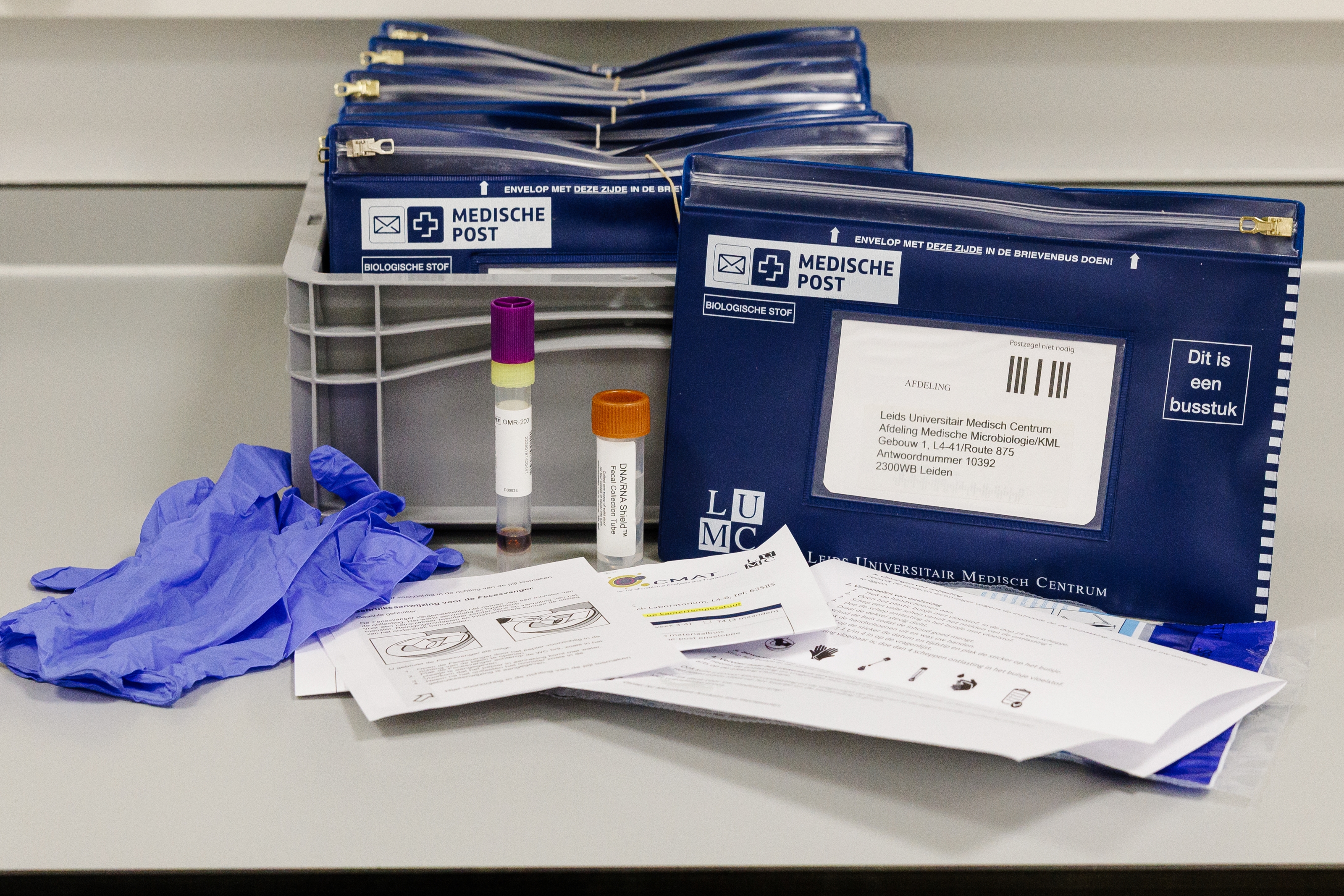 We can advise you on the materials required for sampling according to the specific needs of the study design and participants. Our sampling kits are ready-to-use and are geared toward optimal storage conditions and high-quality data generation.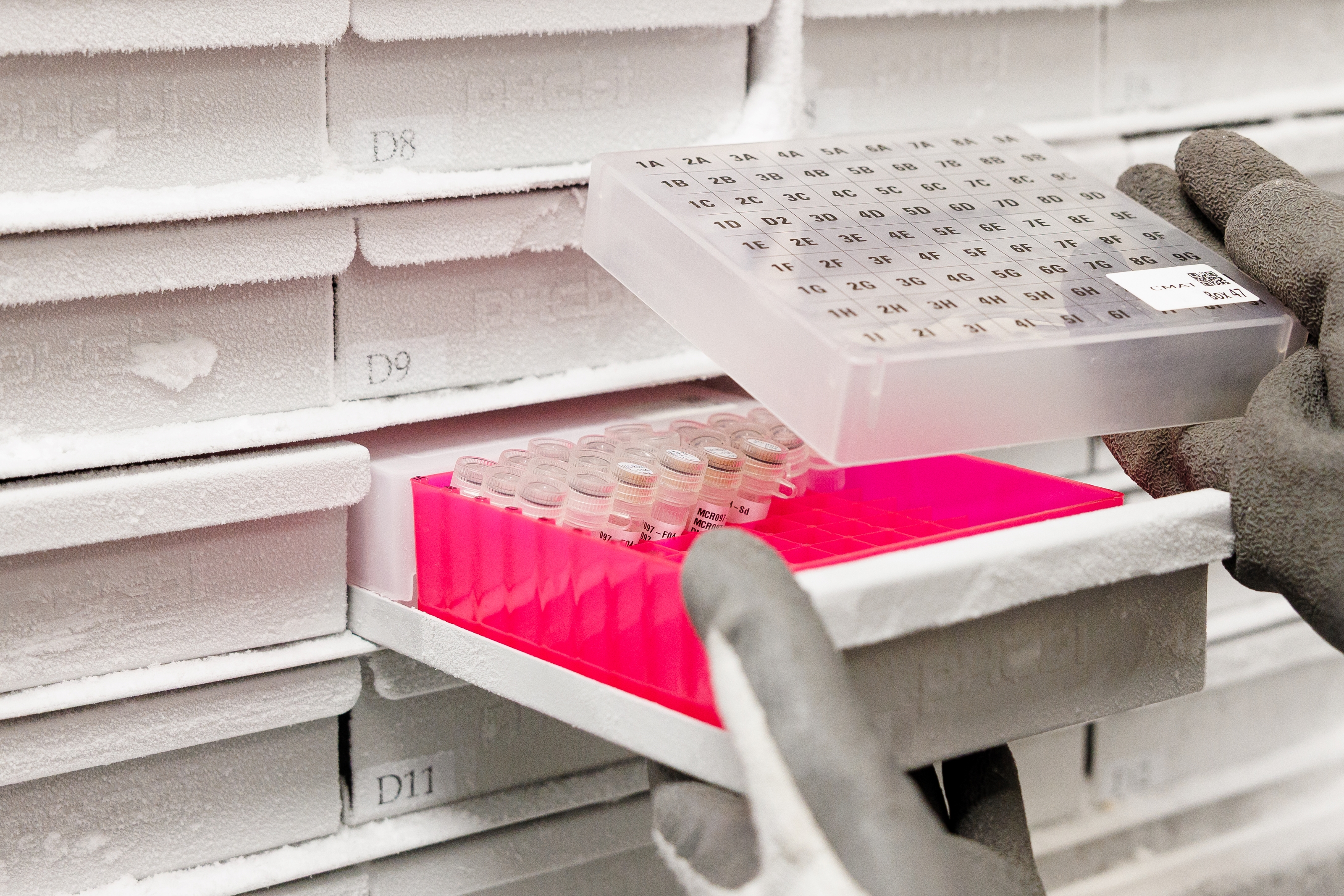
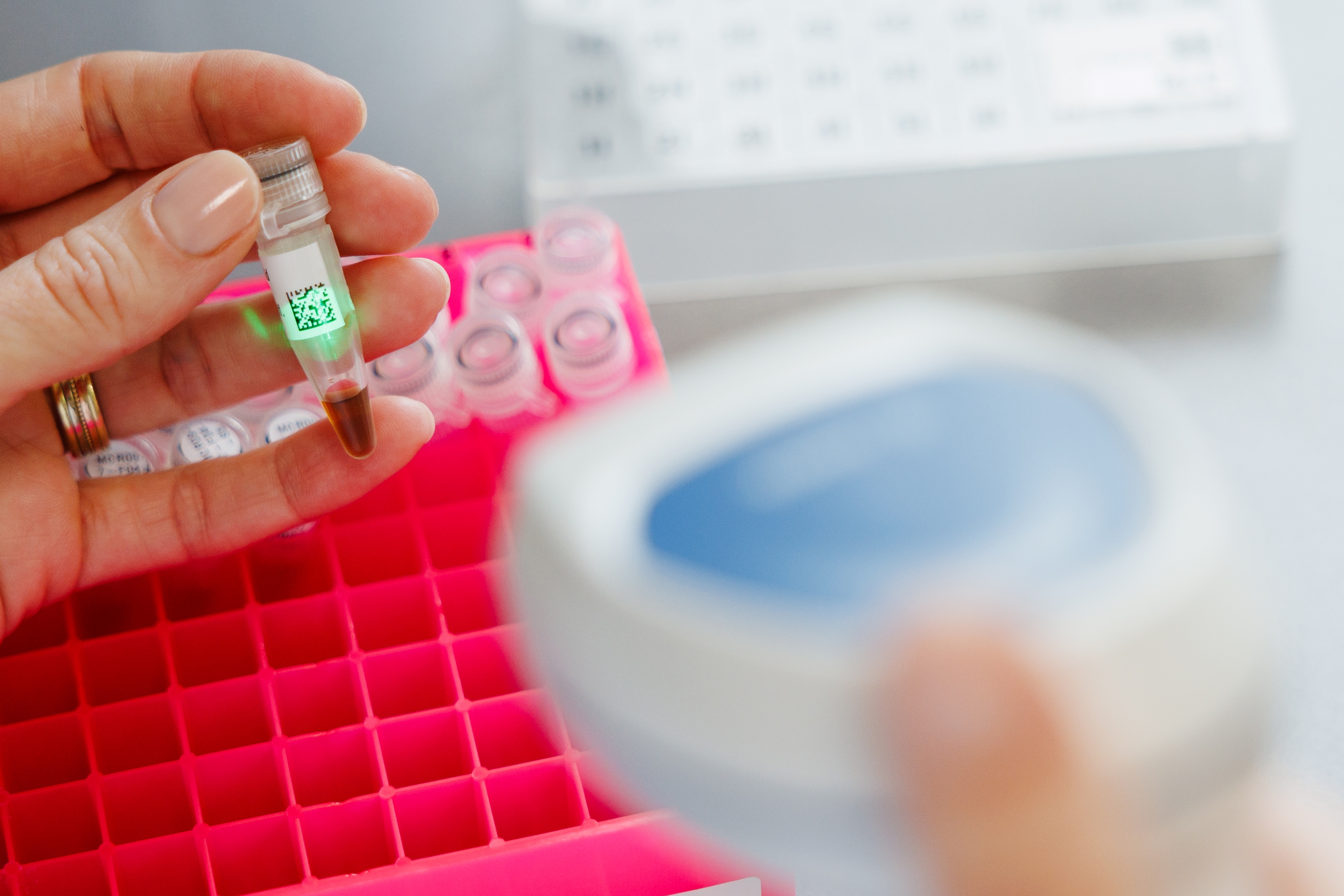
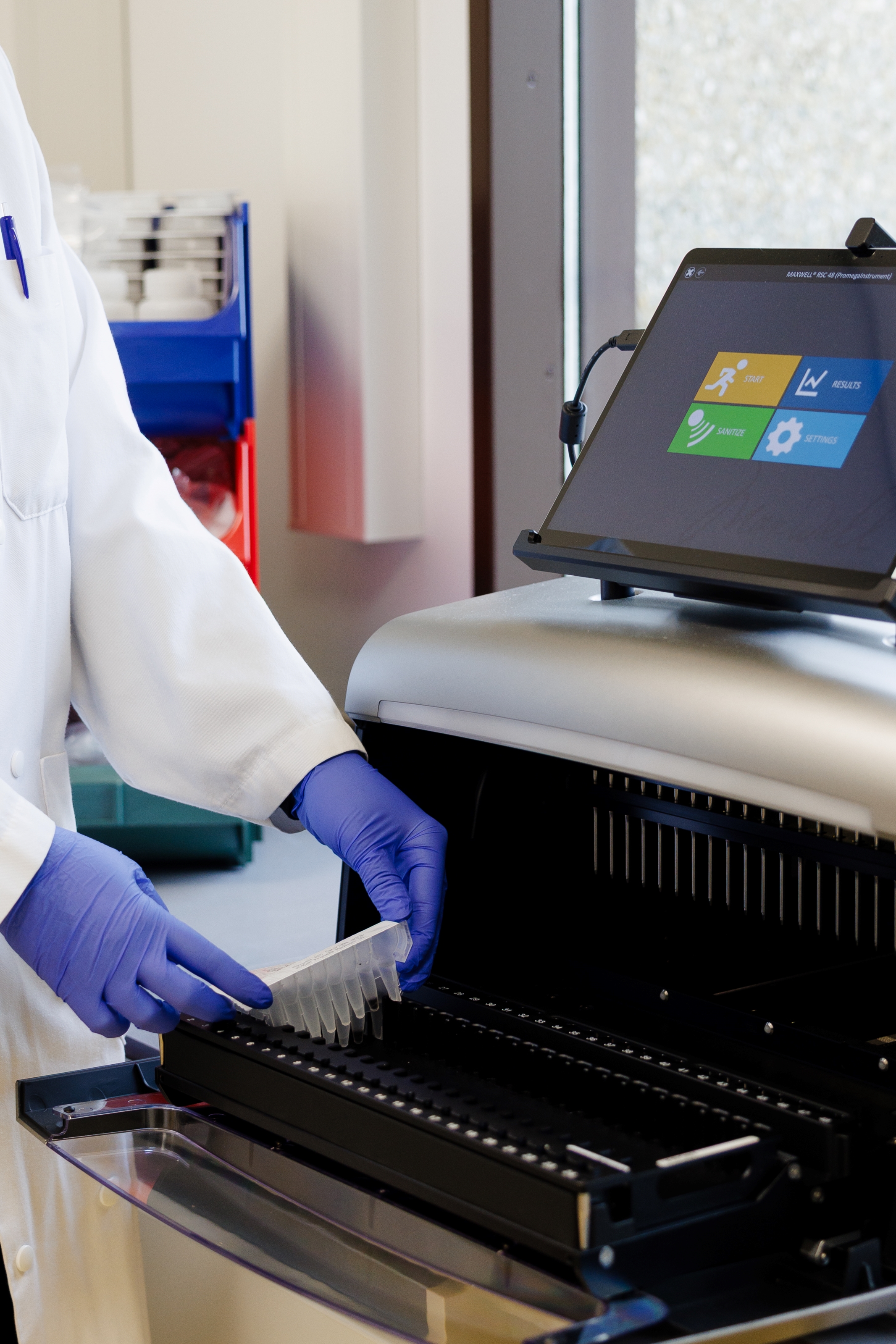
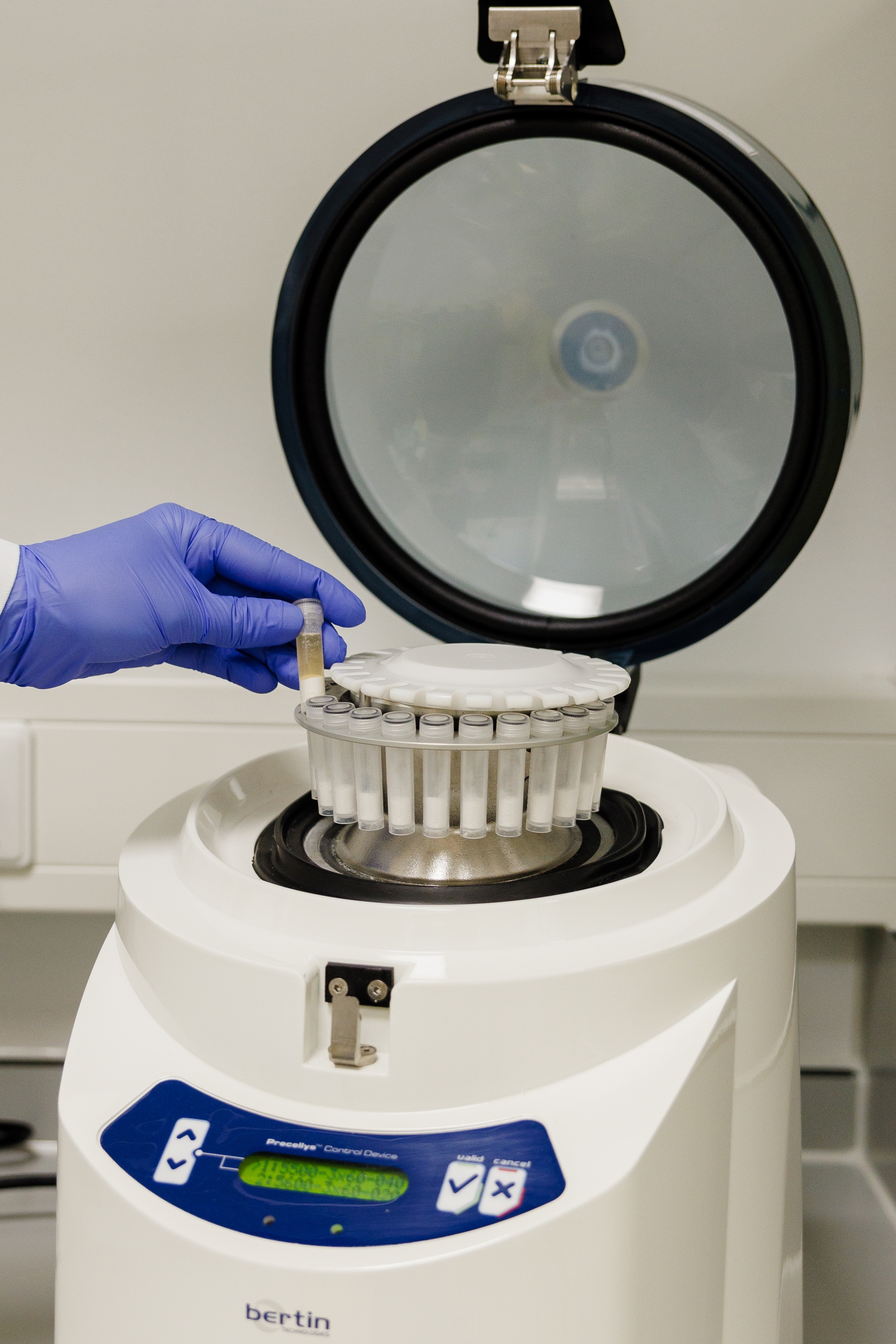
Microbiome data generation via next generation sequencing
We can commission sequencing data generation (either 16S rRNA gene amplicon, shotgun metagenomic, or meta-transcriptomic sequencing) working closely with commercial partners and in-house facilities.
&width=826&height=464)
Quality control and initial analysis of microbiome data
CMAT can support researchers with standard or tailored bioinformatic analyses to help you answer your research questions. Our standard bioinformatics service specifically includes data quality assessment, taxonomic profiling, and microbial diversity analysis. CMAT always makes sequencing data accessible and stimulates re-use of previously collected data.
&width=826&height=464)
In-depth microbiome analyses
Further scientific advice and custom analysis include statistical and machine-learning analysis workflows or bioinformatics integration of several high-dimensional data modalities (e.g. various molecular/omics profiles of host tissues or dietary records). We can also support in meta-analysis of microbiome studies, metagenome assembly and binning, strain-resolved metagenomic analyses, and functional metagenome analysis of bacterial secondary metabolism (e.g. virulence factors, antibiotic resistance genes, biosynthetic gene clusters, and xenobiotic/drug metabolism pathways).
&width=826&height=464)
Culturing and characterization of microorganisms
In collaboration with the Experimental Bacteriology group at Leiden University Center for Infectious Diseases (LUCID), CMAT can support culture of (strictly) anaerobic and aerobic microorganisms for genotypic and phenotypic characterisation, either by isolating organisms directly from microbiome samples using selective media and available microbiological identification techniques, or after obtaining them from recognized culture collections (NCTC, ATCC, BEI, DSMZ). Cultured isolates can subsequently be administered to experimental models to perform mode-of-action studies or characterized further genomically or phenotypically.
&width=826&height=464)
Custom services
We provide further scientific advice and custom bioinformatics analysis, as well as assistance in writing scientific publications or grant applications. Do you need any other type of support? We are happy to tailor our services to your research requirements. Contact us at cmat@lumc.nl to get more information or to speak with our coordinator Jannie Henderickx, who can answer any questions you may have.