First patient treated in new phase of promising type 1 diabetes research
&width=710&height=710)
In Type 1 Diabetes (T1D), the body's immune system attacks the insulin-producing cells in the pancreas. As a result, the body can no longer produce sufficient insulin on its own. Patients therefore need to inject insulin to keep their blood sugar levels under control.
This new therapy, developed at LUMC, aims to ensure that the immune system leaves the insulin-producing cells unharmed, allowing the body to continue producing its own insulin.
Cells modified in the laboratory
For this immunotherapy, researchers use dendritic cells, immune cells that help determine whether the body should attack something or tolerate it. In patients participating in the study, precursor cells are collected from the bloodstream. In the laboratory, scientists modify these precursor cells so that they can suppress the immune response against insulin-producing cells.
The patients then receive the modified dendritic cells through an injection into the skin. Researchers hope this will make the immune system less aggressive and prevent it from attacking the insulin-producing cells. The ultimate goal is to help patients preserve their insulin-producing cells for a longer period of time.
Safety comes first
At this stage of the study, the primary objective is to evaluate the safety of the therapy in patients who still retain insulin-producing cells. A total of ten T1D patients will participate in the trial.
One of the eligibility criteria is that participants must have been diagnosed with T1D no more than five years ago. These patients often still produce some insulin themselves. This is important for the study because it allows researchers to measure the therapy’s effect on insulin production.
An important step forward
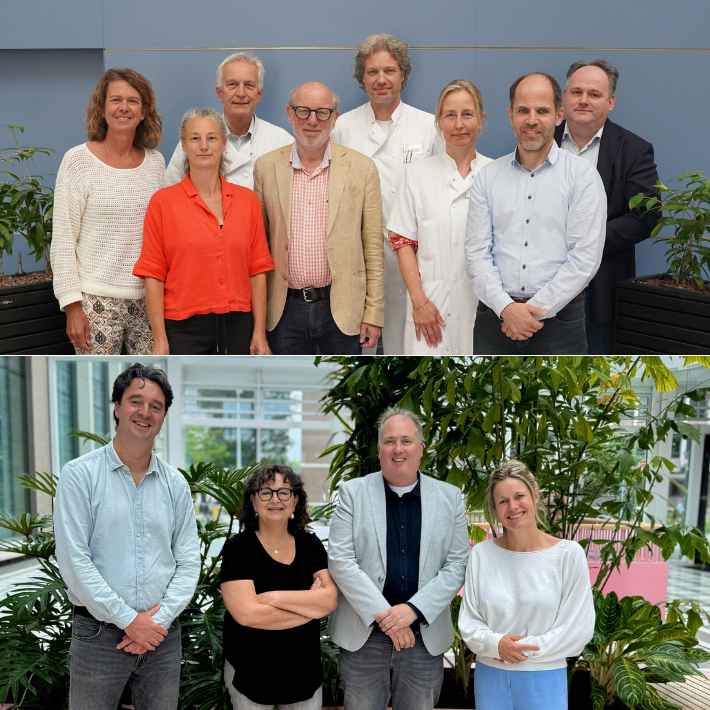
The study is led by Dr. Tanja Nikolic and Prof. Dr. Jaap Jan Zwaginga. The treatment was conceived and developed by Prof. Dr. Bart Roep and Dr. Nikolic. Together with Prof. Zwaginga, they also conducted the first phase of research into the therapy.
Nikolic commented: “The treatment phase for the first patient has now been completed. So far, the patient has experienced no adverse effects. We will continue to monitor the patient for another two years to assess both safety and diabetes control.”
If the therapy proves safe in all ten patients, larger studies will be conducted to evaluate its effectiveness. It may therefore still take years before this treatment becomes available outside the research setting. Nevertheless, this study can be regarded as an important step on the path toward a cure for T1D.
Cure One: Working toward a cure
At Cure One, the Type 1 Diabetes research center established last year, researchers are developing and testing treatments that go beyond symptom management and are aimed at curing the disease.
At least 100,000 people in the Netherlands live with T1D. Behind that number are just as many lives shaped every day by monitoring glucose levels, administering insulin, and calculating carbohydrate intake. Cure One was founded on the conviction that this can, and must, change. Not someday, but as soon as possible.
Cure One is an initiative and partnership between the Diabetes Research Netherlands Foundation (DON) and LUMC. Together, they are building a center where fundamental scientific research and clinical application come together.
This clinical trial is co-funded by the Helmsley Charitable Trust in New York.

&width=710&height=710)
&width=710&height=710)
&width=710&height=710)