Kevin Osepa
LUMCdiversity
Kevin Osepa (1994, Curaçao) explores Afro-Caribbean identity within a postcolonial reality. For this series, he returned to the Klof, a site on Curaçao known for apparitions and marked by the persecution of the Indigenous Caquetío people and by the struggle of enslaved people in 1795.
Osepa developed these images through fieldwork and oral histories. He brought textile works back to the Klof as a way of seeking permission from what remains of that past. Central to his work are brua and Montamentu, spiritual practices that were prohibited during the colonial era and continued in secret as forms of protection and resistance.
…Kevin Osepa (1994, Curaçao) explores Afro-Caribbean identity within a postcolonial reality. For this series, he returned to the Klof, a site on Curaçao known for apparitions and marked by the persecution of the Indigenous Caquetío people and by the struggle of enslaved people in 1795.
Osepa developed these images through fieldwork and oral histories. He brought textile works back to the Klof as a way of seeking permission from what remains of that past. Central to his work are brua and Montamentu, spiritual practices that were prohibited during the colonial era and continued in secret as forms of protection and resistance.
The woman in this photograph is burning the tip of her braid to ward off evil spirits. The deck of cards refers to the unpredictability of fate. Osepa was nominated for the Prix de Rome in 2025.
What one person calls superstition, another sees as a form of protection that had to remain hidden for generations.
Osepa photographs rituals that were banned in Curaçao under colonial rule, yet continued to survive.
That other kind of knowledge is often quietly present in our consulting rooms as well.
Do we ever ask about it?
About the work
Kevin Osepa (1994), winner of the Prix de Rome 2025, is an artist and filmmaker. Afro-Caribbean spirituality, identity and colonial memory are central to his work.
This work is part of a photo series in which Osepa draws attention to rituals and traditions that are in danger of disappearing in his native Curaçao. The woman in this photo tries to drive away evil spirits by setting fire to the tip of her braid, an old superstition in Curaçao. The card game refers to the capriciousness of uncertain fate.
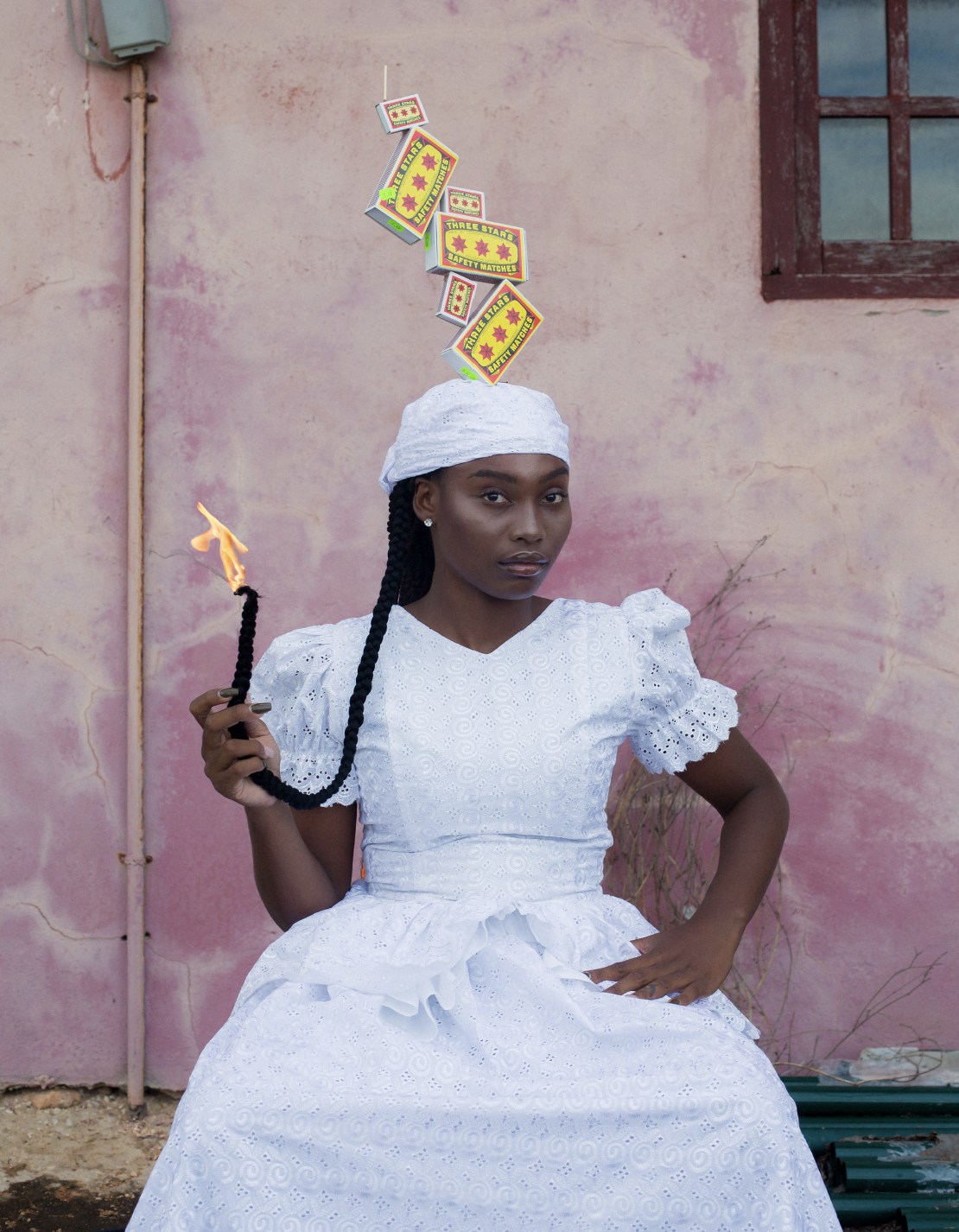
Photo, print, 2022