Desiree Dolron
LUMCDiversity
Desiree Dolron (1963) worked on this series from 1991 to 2000. She traveled to various countries, including India, the Philippines, Malaysia, Morocco, Pakistan, and Thailand. Throughout her travels, she documented religious rituals in which the body is subjected to extreme physical trials.
The question that occupied her was whether extreme physical suffering truly deepens religious awareness. Through her images, she explores the motivations behind self-mortification and ecstasy, while simultaneously acknowledging that she cannot entirely escape the sense of alienation these scenes evoke.
…Desiree Dolron (1963) worked on this series from 1991 to 2000. She traveled to various countries, including India, the Philippines, Malaysia, Morocco, Pakistan, and Thailand. Throughout her travels, she documented religious rituals in which the body is subjected to extreme physical trials.
The question that occupied her was whether extreme physical suffering truly deepens religious awareness. Through her images, she explores the motivations behind self-mortification and ecstasy, while simultaneously acknowledging that she cannot entirely escape the sense of alienation these scenes evoke.
Her work freezes movement at the moment of rapture, balancing between documentary and abstraction. The series was published in 2000 as a book titled Exaltation: Images of Religion and Death.
Pain that is not a punishment, but a path to something higher.
Dolron photographed rituals that she herself could not fully comprehend, yet continued to observe without judgment.
Something similar happens in the clinic when a patient gives meaning to illness in a way that is not our own.
Understanding does not have to precede respect.
About the work
Desiree Dolron (1963) made this photo series in the period 1991-1999 during her travels to India, the Philippines and Morocco, among other places. She is particularly interested in religious rituals.
The men in these photos undergo forms of self-flagellation. Dolron tries to capture the underlying motives with her photos, but at the same time cannot escape the madness of it.
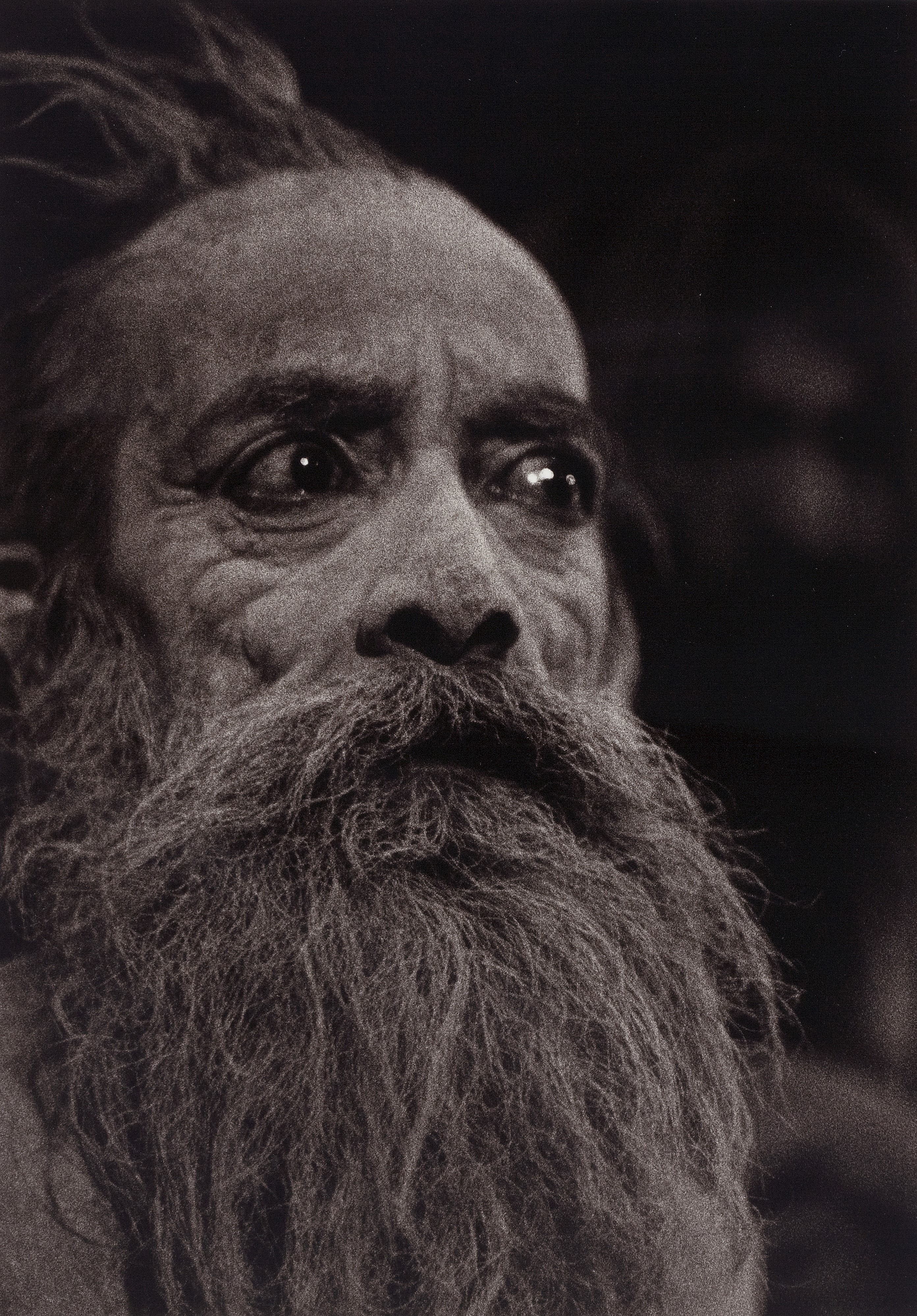
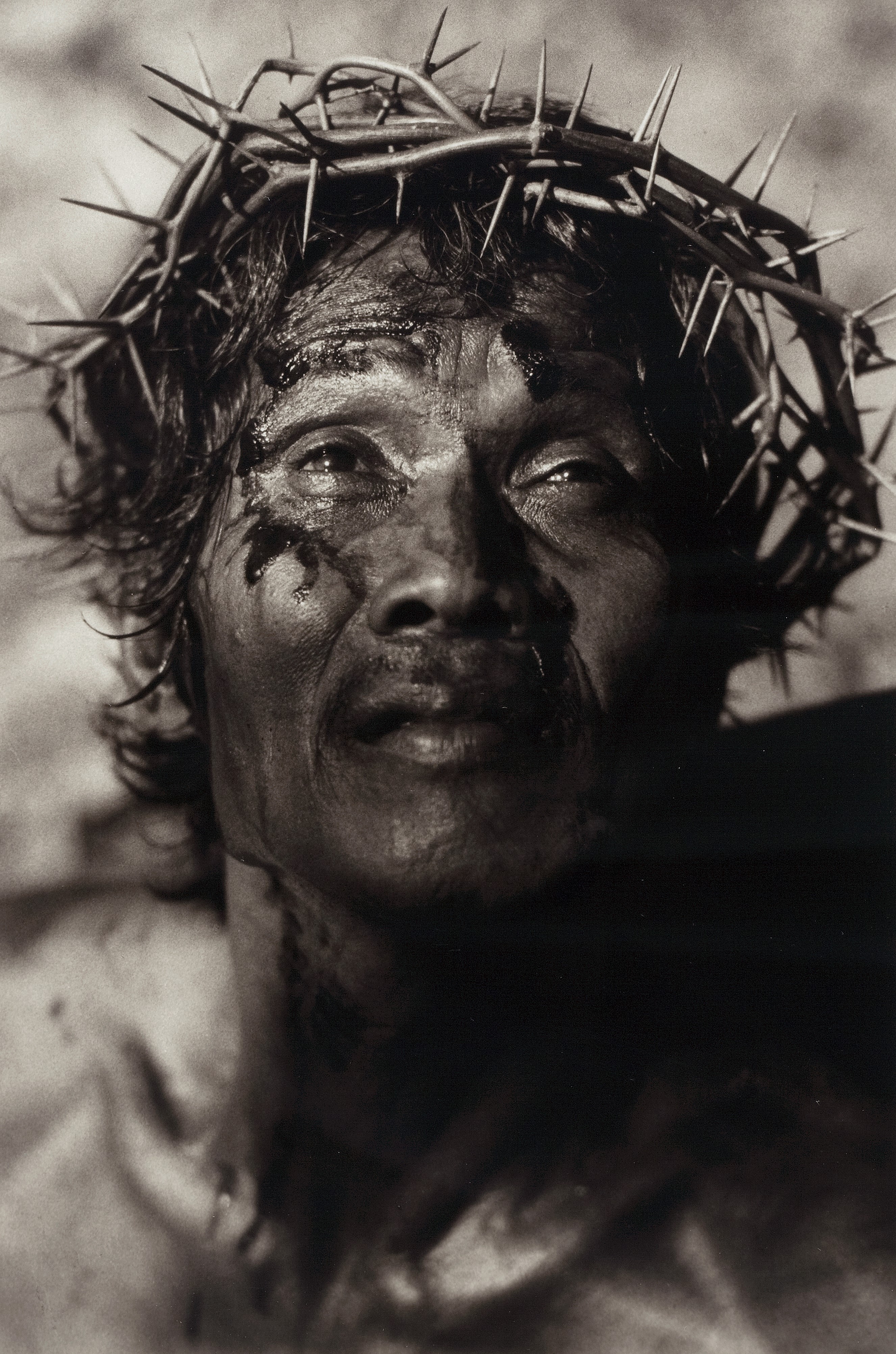
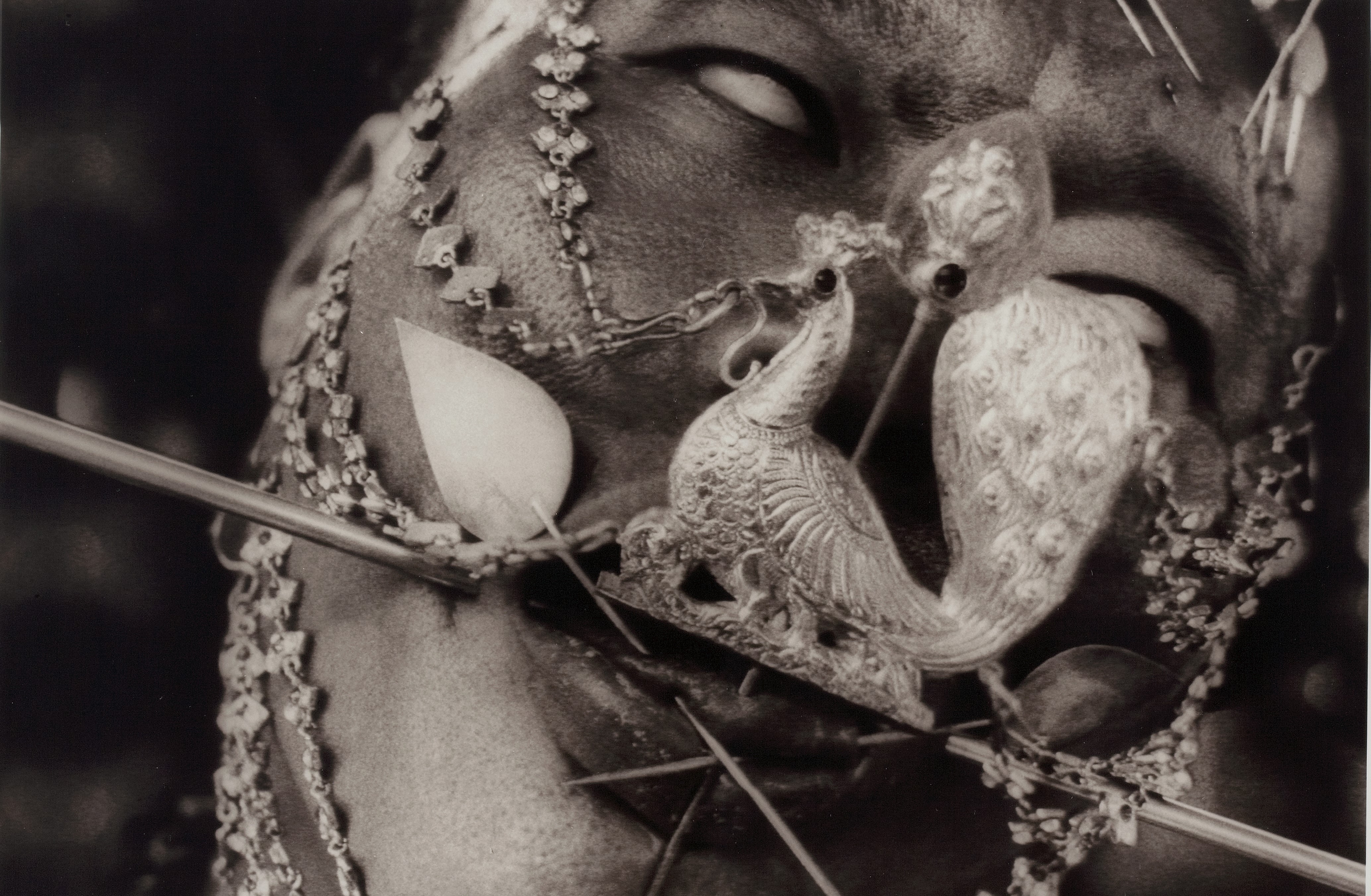
Baryta print, 60 x 50 cm, 1997