Pediatric stem cell transplantation and cell therapy
&width=710&height=710)
About our transplant department
In 1968, the first successful stem cell transplantation on a baby in Europe was performed in Leiden. This was on a baby with the rare immune disease SCID. You can watch a video about '50 years of stem cell transplantation' here.
Nowadays, we also transplant children with a wide variety of other diseases, such as sickle cell disease. Children with (blood) cancer who require a stem cell transplant are treated at the Princess Máxima Center (PMC). We work closely with the PMC. We also collaborate extensively with other hospitals in the Netherlands and the rest of Europe. Our transplantation program is JACIE-accredited (Joint Accreditation Committee ISCT-Europe & EBMT).
…In 1968, the first successful stem cell transplantation on a baby in Europe was performed in Leiden. This was on a baby with the rare immune disease SCID. You can watch a video about '50 years of stem cell transplantation' here.
Nowadays, we also transplant children with a wide variety of other diseases, such as sickle cell disease. Children with (blood) cancer who require a stem cell transplant are treated at the Princess Máxima Center (PMC). We work closely with the PMC. We also collaborate extensively with other hospitals in the Netherlands and the rest of Europe. Our transplantation program is JACIE-accredited (Joint Accreditation Committee ISCT-Europe & EBMT).
See also the information about Our Team.
"It is good that the child is allowed to contribute ideas and that we were given a sense of control."
What is a stem cell transplant?
In a stem cell transplant, diseased stem cells are replaced by healthy stem cells from someone else (a donor). First, the patient's own stem cells are destroyed. This is done through chemotherapy and immunotherapy.
You can read more about this in our patient leaflets.
When is a stem cell transplant a good treatment?
This depends on many things:
…In a stem cell transplant, diseased stem cells are replaced by healthy stem cells from someone else (a donor). First, the patient's own stem cells are destroyed. This is done through chemotherapy and immunotherapy.
You can read more about this in our patient leaflets.
When is a stem cell transplant a good treatment?
This depends on many things:
- What disease the child has.
- How much the child suffers from the illness.
- Whether there is another way to treat the disease.
- Sometimes a transplant is too great a risk.
We discuss this with the doctor who knows the child well (the referrer). We also discuss it with colleagues. Ultimately, we make a decision together with the child and the parents.
You can read more about this in our patient leaflets.
Which children can receive a stem cell transplant?
Children with the following diseases can receive a stem cell transplant at the Willem-Alexander Children's Hospital:
Hemoglobinopathies (diseases of the red blood cells), for example:
- Sickle cell disease
- Beta-thalassemia
Children with the following diseases can receive a stem cell transplant at the Willem-Alexander Children's Hospital:
Hemoglobinopathies (diseases of the red blood cells), for example:
- Sickle cell disease
- Beta-thalassemia
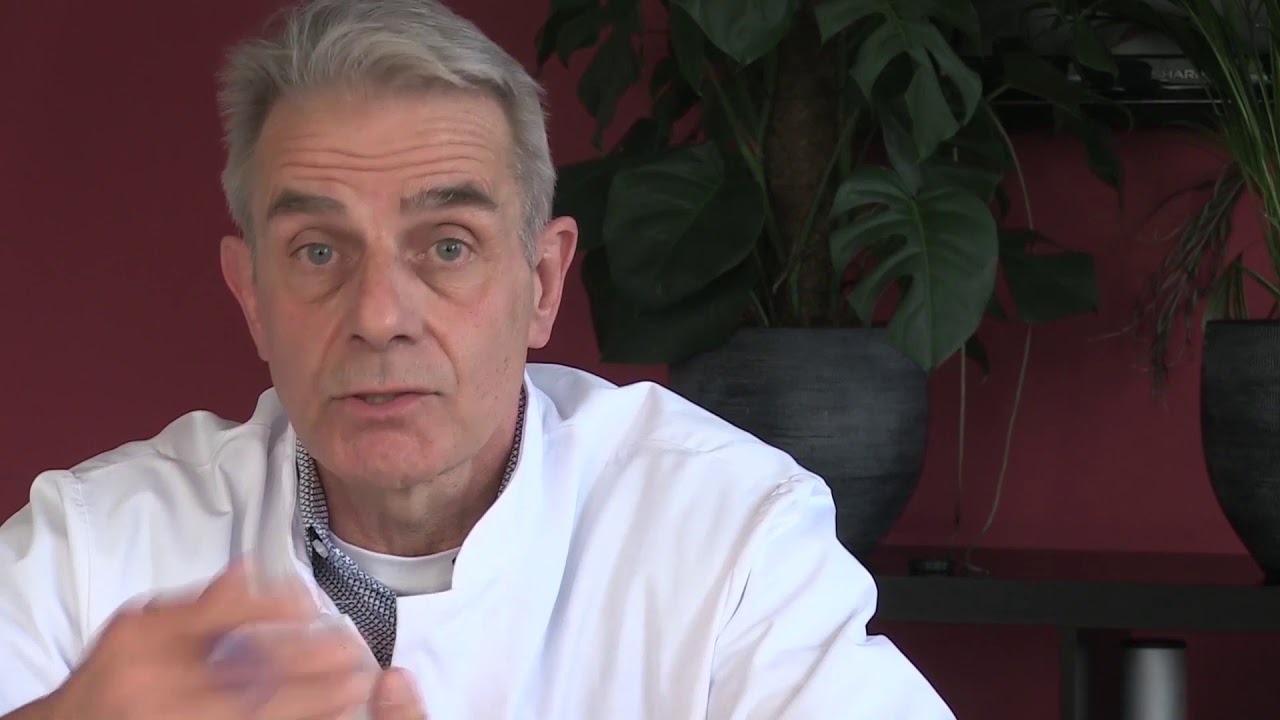
See also the video on Cyberpoli with Dr. Smiers here.
Diseases of the bone marrow, for example:
- Severe aplastic anemia (SAA)
- Blackfan Diamond anemia (BDA)
- Severe congenital neutropenia (SCN)
- Other rare, genetic bone marrow diseases
Diseases of the immune system, for example:
- Hemophagocytic lymphohistiocytosis (HLH)
- Severe combined immune disorder (SCID)
- Chronic granulomatous disease (CGD)
- Interferon gamma receptor deficiency
- Other serious, rare immune diseases
- Very serious autoimmune diseases
For some children with cancer or a metabolic disease, a stem cell transplant is also a good treatment. For these children, this is performed at the Princess Máxima Center for Pediatric Oncology.
Where do the new stem cells come from?
In an "allogeneic" stem cell transplant, children receive healthy stem cells from a donor. Sometimes a family member can be a donor, for example a brother, sister, or one of the parents. If that is not the case, we search a worldwide database for the most suitable donor.
You can read more about this in our patient leaflets.
For some diseases, children receive their own stem cells back. This is called an "autologous" stem cell transplant.
Chemotherapy and immunotherapy
During a stem cell transplant, space must be created in the bone marrow for the donor's new stem cells. This is done using chemotherapy. Usually, a medication targeting immune cells is also required. This is immunotherapy.
You can read more about this in our patient leaflets.
Informational video 50 years of stem cell transplantation (Dutch)
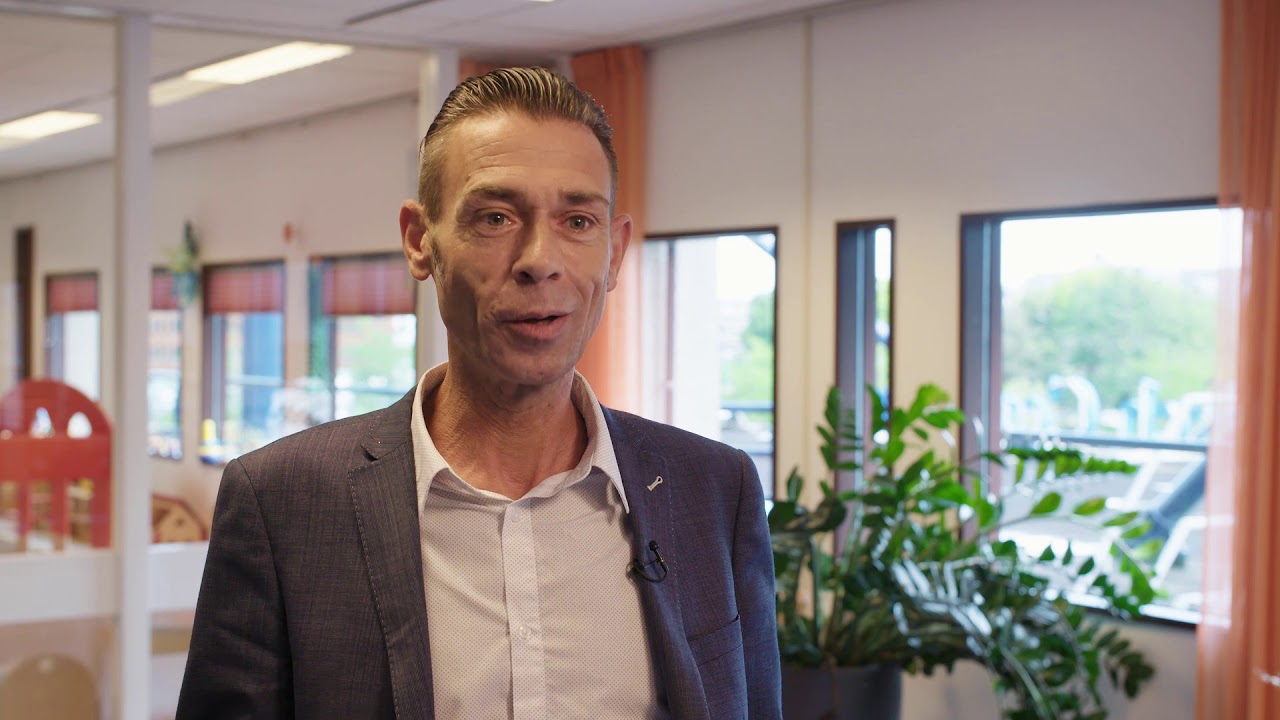
Informational video about stem cell transplantation for sickle cell disease
Appointment and admission
Admission for stem cell transplantation
Children usually stay in the Willem-Alexander Children's Hospital for two months for a stem cell transplant. Sometimes the stay lasts even longer. During the treatment, the child must be extra protected against diseases. We call this 'isolation'. Admission for stem cell transplantation is on the Strand ward. Click here for the Strand ward.
…Admission for stem cell transplantation
Children usually stay in the Willem-Alexander Children's Hospital for two months for a stem cell transplant. Sometimes the stay lasts even longer. During the treatment, the child must be extra protected against diseases. We call this 'isolation'. Admission for stem cell transplantation is on the Strand ward. Click here for the Strand ward.
Visit to the outpatient clinic
It is important that the child returns to the doctor regularly. The doctor then checks how things are going. For the first period after the transplant, we see the children every week at the outpatient clinic for check-ups. After that, this becomes less frequent. The outpatient check-ups take place at the Stad Children's Clinic .
Day admission
It is possible that your child may need to receive other medication in the hospital. Your child will receive the medication via an intravenous drip. Your child will then be admitted for one day, usually to the Stad Pediatric Outpatient Clinic .
Late effects and follow-up
Starting two years after the transplant, children are seen at the LEEF (Late Effects and Follow-up) outpatient clinic. Initially, this is with a pediatrician, and from the age of 18, with an internist.
Scientific research
In our department, we conduct extensive scientific research into stem cell transplantation in children. The goal of our research is to continuously improve and make the treatment safer. See the Research page for a comprehensive overview of our research.
A number of examples of our scientific research:
…In our department, we conduct extensive scientific research into stem cell transplantation in children. The goal of our research is to continuously improve and make the treatment safer. See the Research page for a comprehensive overview of our research.
A number of examples of our scientific research:
- We are investigating how the immune system functions after the transplant.
- We are investigating which chemotherapy or immunotherapy is best.
- We are investigating new therapies, such as gene therapy.
- We are investigating how to prevent and treat graft-versus-host disease.
- We are investigating the best treatment for children with specific diseases, such as sickle cell disease or hemophagocytic lymphohistiocytosis (HLH).
- We are investigating the late effects of a stem cell transplant in children with a blood or immune disorder.
Our team
Staff physicians:
Prof. Dr. Arjan Lankester
Pediatric Immunologist/Infectious Disease
Specialist Professor of Pediatrics, specializing in stem cell transplantation
Areas of focus: gene therapy, CTLA-4 haploinsufficiency, STIM-1 deficiency
Staff physicians:
Prof. Dr. Arjan Lankester
Pediatric Immunologist/Infectious Disease
Specialist Professor of Pediatrics, specializing in stem cell transplantation
Areas of focus: gene therapy, CTLA-4 haploinsufficiency, STIM-1 deficiency
Dr. Federica Achini
Pediatric Hematologist
Areas of focus: benign hematology, hemoglobinopathy
Dr. Robbert Bredius
Pediatric Immunologist/Infectious Disease Specialist
Areas of focus: SCID, MSMD/interferon gamma receptor deficiency, chronic granulomatous disease (CGD)
Dr. Dagmar Berghuis
Pediatric Immunologist/Infectious Disease Specialist
Areas of focus: SCID, gene therapy, ICF syndrome
Dr. Alexander Mohseny
Pediatric Hematologist
Areas of focus: acquired bone marrow failure/SAA (severe aplastic anemia), sickle cell disease
Dr. Emmeline Buddingh
Pediatric Immunologist/Infectious Disease Specialist
Areas of focus: HLH, STAT1/STAT3 mutations, GVHD
Dr. Anne de Pagter
Pediatric hematologist
Areas of interest: late effects and follow-up, value-driven care
Fellows:
Dr. Carolien Haazendonk
Fellow in Pediatric Hematology
Area of focus: Hematology
Dr. Gertjan Lugthart
Fellow in Pediatric Hematology
Area of focus: Hematology
Dr. Lisa Ott de Bruin
Fellow in Pediatric Immunology/Infectious Diseases
Areas of focus: SCID, gene therapy
Nurse specialists:
Trude Minnee
Nurse Practitioner
Area of focus: outpatient care after stem cell transplantation, transition to adult care
Judith Timmermans
Nurse Practitioner in training
Area of focus: hematology