LUMC receives tens of millions for research into new stem cell–based treatments
&width=710&height=710)
Thanks to this investment, LUMC will be able to continue working in the coming years on innovative treatments for patients with chronic diseases. It will also strengthen its position as an international center for stem cell research and collaborate with partners worldwide to improve future healthcare.
“We are very pleased with the awarding of the second half of the reNEW funding. This is a wonderful recognition of the work carried out in recent years and of LUMC’s international role in the field of regenerative medicine,” said Marlies Reinders, Dean of LUMC.
What is reNEW?
reNEW is an international partnership in the field of stem cell research. The consortium not only focuses on fundamental research, but also places special emphasis on translating new knowledge into applications for patients. Within reNEW, LUMC collaborates with the University of Copenhagen and the Murdoch Children's Research Institute in Melbourne.
Researchers within reNEW aim to develop new therapies for diseases for which no effective treatments currently exist. These include chronic diseases or inherited conditions such as type 1 diabetes, immune disorders, kidney diseases, and heart failure.
“Within reNEW, we are working on the medicine of the future. A future in which we not only treat diseases, but truly cure them. Thanks to this boost, we can continue the work of recent years and bring our stem cell research from the laboratory closer to the patient,” says Professor Ton Rabelink, Director of reNEW in Leiden.
What are stem cells?
Stem cells are special cells. They can divide indefinitely and develop into different types of cells in the body, such as heart cells, kidney cells, or nerve cells. This means they may help replace or repair damaged tissue. This is known as regenerative medicine.
Researchers at LUMC study how stem cells function and what happens to them in diseased or damaged tissues. They also investigate how these cells can be safely used to repair diseased or damaged organs. Through reNEW, researchers can launch new projects, develop technologies, train young scientists, and translate laboratory discoveries more quickly into treatments for patients.
A boost for LUMC — and for Leiden
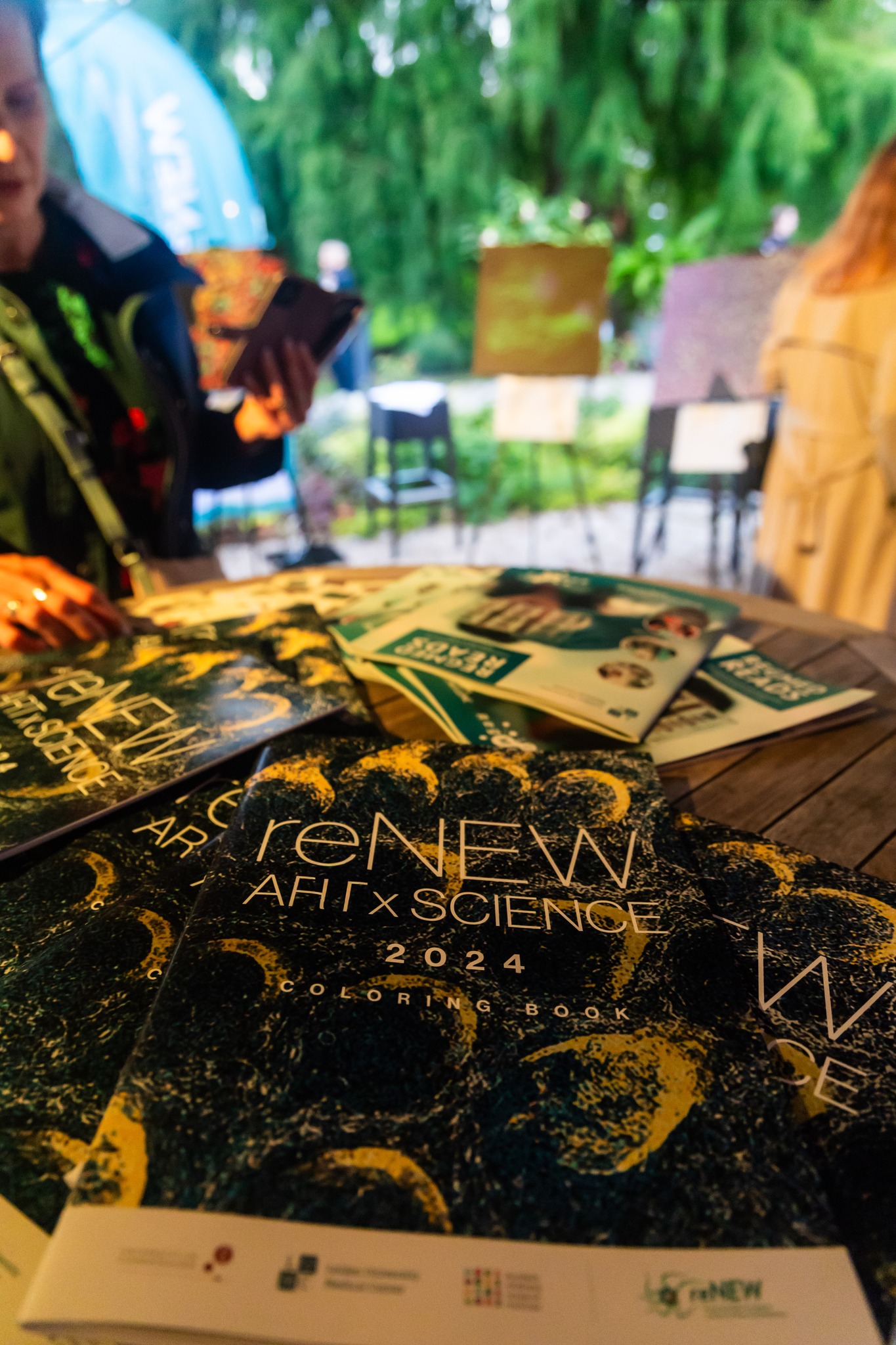
Regenerative medicine is one of LUMC’s strategic focus areas. The center has a long history of leading research in stem cells and the development of disease models and cell and gene therapies. The renewed reNEW funding is not only a boost for LUMC, but for the entire Leiden regenerative medicine ecosystem.
LUMC is part of the Leiden Bio Science Park, where education, research, companies, and infrastructure come together to not only develop new regenerative treatments, but also bring them to patients.
What does this mean for patients?
Stem cell research and regenerative medicine are still relatively new, and the treatments currently being developed are not yet available to patients. Nevertheless, this represents an important step forward. The first stem cell–based treatments are currently being tested for safety and effectiveness at LUMC and elsewhere in clinical studies.
Thanks to international collaboration and additional funding, researchers can accelerate developments and work toward solutions for patients who currently have few treatment options.
Want to know more?
You can read more about the consortium and stem cell research on the reNEW website.

&width=710&height=710)
&width=710&height=710)