A short pause turns immune cells into more effective fighters against cancer
Original illustration created by Ramon Arens with professional support (copyright)
&width=710&height=710)
Charging of immune cells
In the study, the researchers used medicines that are already part of cancer treatment to briefly stop cell division. During this pause, the CD8 T cells stop dividing but stay active. They take up more nutrients, store extra energy and produce more of the substance IL 2, which is important for the growth and survival of immune cells. Lead researcher and professor Ramon Arens compares it to charging: “During the pause, the cells charge themselves. They prepare for what comes next.”
Faster and more powerful after the pause
Once the pause ends and cell division resumes, the immune cells respond faster and more powerfully than regular CD8 T cells. They divide faster, stay active for a longer time and are better at attacking tumor cells. Other immune cells also stop dividing during the break, but CD8 T cells behave differently. During the pause, they produce large amounts of the substance IL 2, a growth signal that other cells produce much less of. This means that CD8 T cells use the pause not just to stop, but to prepare. They store energy, adjust their metabolism and are ready for rapid growth as soon as the brake is released.
Professor Ramon Arens explains: “The CD8 T cells know how to use this temporary pause to their advantage. Afterwards, they come back stronger and remain active for longer.” Tests in mice showed clear effects. Tumors grew more slowly and treatments, such as immunotherapy and cancer vaccines, worked better. The researchers also studied human material, including biopsies from women with breast cancer. These are small pieces of tissue that had previously been collected for research purposes. After treatment with a drug that temporarily stops cell division, many of these samples showed more active CD8 T cells. This indicates that the effect seen in laboratory animals also occurs in humans. The results of the study were recently published in the scientific journal Nature Immunology.
Significance for cancer treatment
This discovery matters because many cancer treatments are specifically aimed at inhibiting cell division. For a long time, there were concerns that this would also be detrimental to the immune system. This research shows that a short and well-timed pause of cell division can actually strengthen immune cells. It also explains why some forms of chemotherapy can work well together with immunotherapy.
The findings do not mean that patients will receive a new treatment in the near future. More follow‑up research is needed first. Still, the study suggests that if existing treatments could be combined in a smarter way, this could help the body's own immune system to fight cancer more effectively. As Arens puts it: “Sometimes pausing is not a step backward, but a way to prepare for coming back stronger. That applies not only to people, but also to our immune cells.”

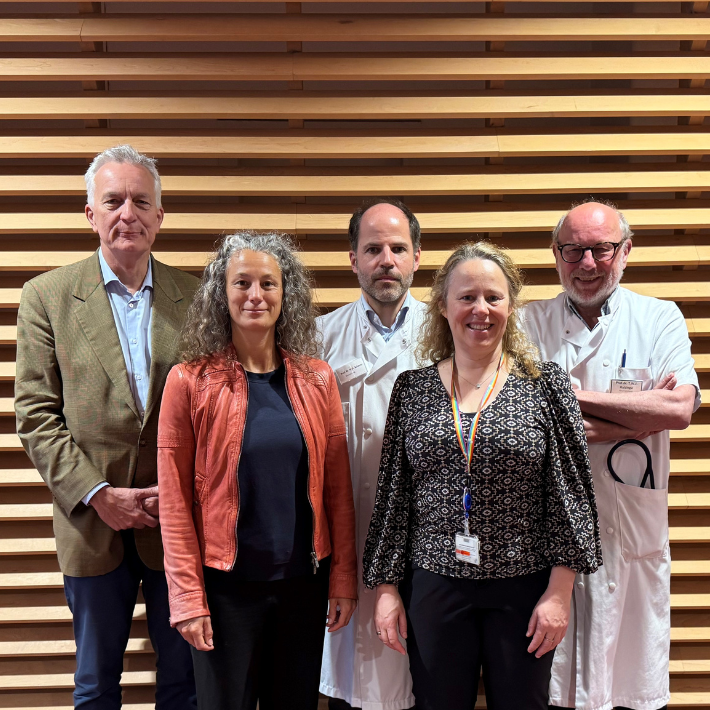
Professor Ramon Arens
More information
This research was made possible by financial support from KWF Dutch Cancer Society, the NWO Gravitation Program, and the Gisela Thier Fellowship (LUMC).

&width=710&height=710)
&width=710&height=710)
&width=710&height=710)