IC7Fc: a smart key to unlock the protective mechanisms in atherosclerosis
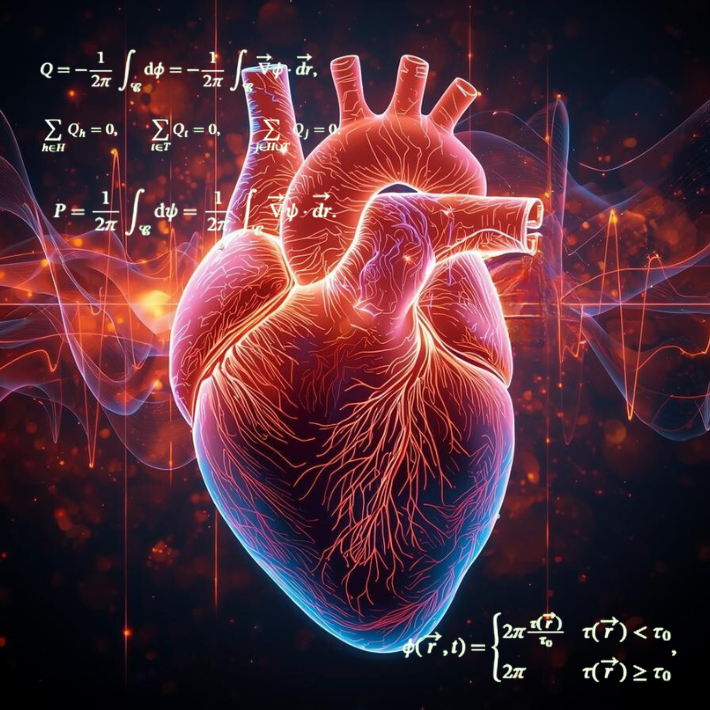
&width=710&height=710 "Visualisation of atherosclerosis, the main cause of cardiovascular diseases")
Why is this important?
Cardiovascular disease accounts for one in three deaths. Each year, 17 million people worldwide die from this condition. In most cases, the underlying cause is atherosclerosis.
Atherosclerosis develops when cholesterol accumulates in the arterial wall, forming what is known as plaque. Excess cholesterol causes the plaque to grow, gradually narrowing the artery and reducing blood flow. Researcher Milena Schönke (left picture) explains: “Atherosclerosis is a slow process that often begins during the teenage years. Usually, you hardly notice it. Sometimes there are vague symptoms such as fatigue, difficulty climbing stairs, or becoming short of breath quickly. Serious problems only arise at an advanced stage. When a plaque completely blocks the blood flow or when a blood clot forms after the plaque ruptured, it can lead to a heart attack or stroke.”
Treatment and challenges

Preventive treatment focuses on reducing risk factors such as high blood pressure, smoking, obesity, type 2 diabetes, and high cholesterol. Researcher Wietse In het Panhuis (right picture) explains: “Treatment usually combines cholesterol-lowering drugs (like statins), blood pressure medication, and lifestyle advice such as quitting smoking, exercising more, and eating healthily. However, not everyone responds equally well to statins, and side effects can occur. In addition, inflammation of the artery wall also plays an important role in atherosclerosis. It is therefore a complex problem that requires new solutions. In our lab, we use a mouse model to study both cholesterol and inflammation. Due to a genetic modification, the fat metabolism of these mice resembles that of humans. This allows us to investigate in detail how the disease develops, and which treatments are effective.”
IC7Fc
In a recent study published in Science Advances, the researchers tested a new drug: IC7Fc. This protein resembles interleukin-6 (IL-6), a natural signaling molecule that regulates many processes in the body. Schönke explains: “Think of it as a key that fits many doors. IL-6 helps the immune system fight infections, but too much IL-6 can cause inflammation. IL-6 also affects how the body processes sugars and fats. It can help distribute energy more efficiently and stimulate the lipid metabolism. The problem is that IL-6 opens all doors, including the harmful ones. IC7Fc is a cleverly designed key that only opens the useful doors of IL-6. Our partners in Australia have already shown that IC7Fc helps prevent type 2 diabetes in mice.”
In the mouse model for atherosclerosis, treatment with IC7Fc caused a significant drop in blood cholesterol. As a result, hardly any plaques formed in the blood vessels - fewer even than with statin treatment. Interestingly the lower cholesterol levels were not the result of a reduced food intake or weight loss. In searching for an explanation, the researchers turned to the liver.
The role of the liver
The liver plays a key role in maintaining fat and cholesterol levels in the body. Schönke explains:
“You can think of the liver as a distribution center that sends fat and cholesterol packages to different addresses in the body. Each package has a return label. When an organ has finished using the fat, it sends the leftovers back. Thanks to the label, the liver recognizes these returns and reabsorbs them. This way, the liver can reuse leftovers, keep supplies in order, and keep fat and cholesterol levels in the blood low. If the label is missing or doesn’t work properly, the packages keep circulating in the blood and cholesterol levels rise.”
The research showed that IC7Fc makes this distribution center work more efficiently in several ways. Schönke continues: “First, the liver produces fewer new packages of fat and cholesterol. In addition, return packages are processed differently: leftover cholesterol is more often converted into bile acids. We also saw that the liver reabsorbs fewer bile acids. This increases the amount of bile acids in the blood, which improves sugar and fat metabolism in the body.”
Promising broad approach
IC7Fc not only keeps blood vessels free of cholesterol but also reduces inflammation in the arterial wall. And because it also helps prevent type 2 diabetes in mice, IC7Fc addresses multiple risk factors at the same time.
In het Panhuis explains: “Additional research is still needed, but based on animal studies, IC7Fc appears to be a promising therapy. It may reduce several risk factors for atherosclerosis and also have a positive effect on our metabolism.”
This research was conducted at the @Rensen laboratory, part of the Division of Endocrinology of the Department of Internal Medicine.
This research was co-funded by the Leiden University Fund.

&width=710&height=710)
&width=710&height=710)
&width=710&height=710)